ঢাকাশনিবার , ২৪ অক্টোবর ২০২৬

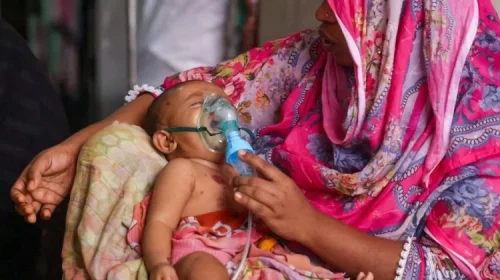
Syeda Rizwana Hasan, Adviser to the Ministry of Environment, Forest and Climate Change stressed that the rising intensity of heat is no longer an abstract concern but a lived reality for every citizen of Bangladesh. The increase in heat is a global phenomenon, but its impact is disproportionately higher in Bangladesh, making our population and economy even more vulnerable, she said.
She underscored the need for translating recommendations into concrete, time-bound actions. We must move beyond reports to coordinated, collaborative action. Agencies must clearly define their roles, and national-level actors must ensure recommendations are broken down into actionable steps, she added.
Environment advisor said this while spoke as Chief Guest at the dissemination event of the World Bank report “An Unsustainable Life: The Impact of Heat on Health and the Economy of Bangladesh” held at Pan Pacific Sonargaon, Dhaka.
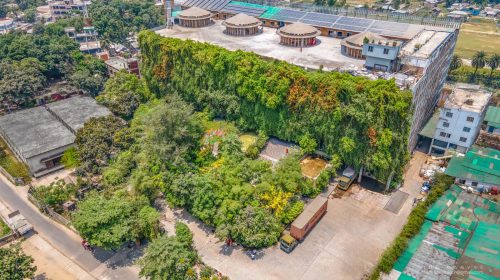
Highlighting urban challenges, Rizwana Hasan pointed to Dhaka’s overstretched capacity: If we want to reduce heat stress, we must rethink urban planning — less concrete, more greenery, efficient public transport, rooftop gardening, and strict enforcement of land-use plans. She emphasized that local government agencies, especially the city corporations, have already undertaken significant greening efforts, but further expansion is essential.
The Adviser also linked climate resilience to responsible governance and citizen behavior: We need structural reforms, but we also need cultural changes. Small acts — like reducing unnecessary energy use — matter. Greener cities will mean healthier lives.”
Special Guest Prof. Dr. Md. Sayedur Rahman, Special Assistant of the Ministry of Health and Family Welfare; Jean Pesme, Divisional Director for Bangladesh and Bhutan, World Bank; and Dr. Feng Zhao, Practice Manager, South Asia Health Nutrition and Population Practice, also spoke at the event. The keynote paper was presented by Iffat Mahmud, Senior Operations Officer, and Wameq A. Raza, Senior Health Specialist, World Bank.