ঢাকাবৃহস্পতিবার , ২২ অক্টোবর ২০২৬

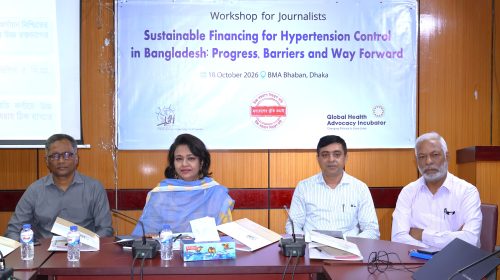
The Food and Agriculture Organization of the United Nations (FAO) concludes the year with an insightful information meeting attended by resource partners, government stakeholders, UN agencies, and media representatives. The meeting aims to share progress and success of FAO Bangladesh office centered around FAO’s commitment to four key pillars: better production, better nutrition, better environment, better life, living no one behind.
Bangladesh and FAO have been working closely in developing the areas of agriculture, food, forestry, fisheries, livestock, rural development and climate change for over 45 years. Bangladesh is one of the fastest growing economies in the world and is increasingly shifting its focus towards nutrition security and food exports.
Transforming agrifood systems
FAO Strategic Framework 2022-31 aims to support the 2030 Agenda by working together for transforming agrifood systems to be more efficient, inclusive, resilient, and sustainable, addressing better production, better nutrition, a better environment, and a better life, leaving no one behind. At the information meeting, the FAO experts provided information on various topics, some of which:
sustainably increasing productivity in agriculture, fisheries, and forestry; fostering inclusive and resilient agrifood systems in a changing climate and environment; increasing food security and community self-sufficiency; promoting healthy and safe food supply; improving food distribution and reducing food loss and waste; protecting and restoring terrestrial and marine ecosystems; increasing incomes of small-scale food producers; guiding government expenditures towards the agriculture sector; securing land tenure by promoting ownership or strengthened rights over agricultural land; gender equality development.
FAO Representative ad interim in Bangladesh said in his speech “As we work towards our goal, the better production, better nutrition, a better environment, and a better life, leaving no one behind, we express our gratitude to our resource partners, government counterparts and colleagues for their continuous support.”
Some of the Progress and Achievements