ঢাকাশনিবার , ৮ অগাস্ট ২০২৬

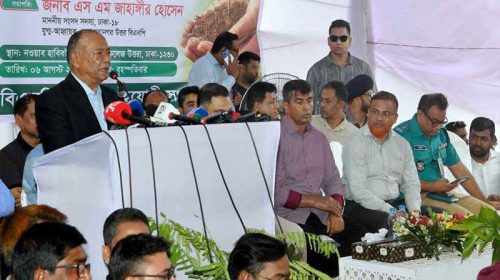
Implementing Good Agricultural Practices (GAP) is crucial for expanding a sustainable and competitive livestock sector in Bangladesh, experts said today at a policy dialogue organized by Palli Karma-Sahayak Foundation (PKSF). The event, titled “Implementing Good Agricultural Practices for Sustainable Expansion of the Livestock Sector in Bangladesh,” was held at the PKSF Bhaban-1.
The Chief Guest, Md Shariful Haque, Deputy Director of the Department of Livestock Services, highlighted that while Bangladesh has achieved self-sufficiency in milk, egg, and meat production, the country still lags in ensuring safe livestock products. He emphasized that developing context-appropriate standards and effective certification mechanisms would significantly benefit farmers.
Dr ABM Mustanur Rahman, Additional Director of the Bangladesh Livestock Research Institute, stressed the importance of creating and widely promoting a ‘Good Agricultural Practices for Livestock Guideline’ tailored to Bangladesh’s context to strengthen the sector’s sustainability.
The keynote paper was presented by Dr A K M Ahsan Kabir, Professor of Animal Husbandry at Bangladesh Agricultural University. He observed that adherence to global GAP standards in the country remains insufficient, citing gaps in farm management, livestock product quality, environmental protection, and the availability of quality vaccines and veterinary services. He suggested that formulating a national GAP policy for livestock is essential to boost Bangladesh’s competitiveness in the global market.
Dr Akond Mohammad Rafiqul Islam, Deputy Managing Director of PKSF and Chair of the event, highlighted the organization’s ongoing initiatives with microentrepreneurs across the country. These include implementing IoT-based farm technologies, expanding milk and meat processing facilities, establishing vaccine hubs, and supporting private veterinary laboratories. He noted that ensuring safe food production and market expansion are core objectives, and a national GAP guideline would play a pivotal role in advancing the livestock sector.
The dialogue was attended by faculty members from various agricultural universities, officials from the Bangladesh Agricultural Research Council, and representatives from private organizations working in the livestock sector.