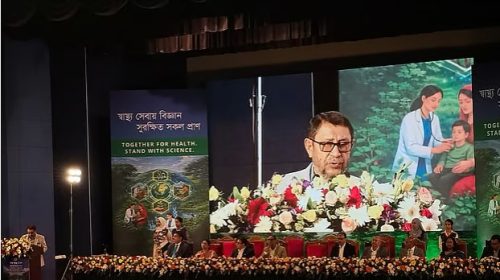







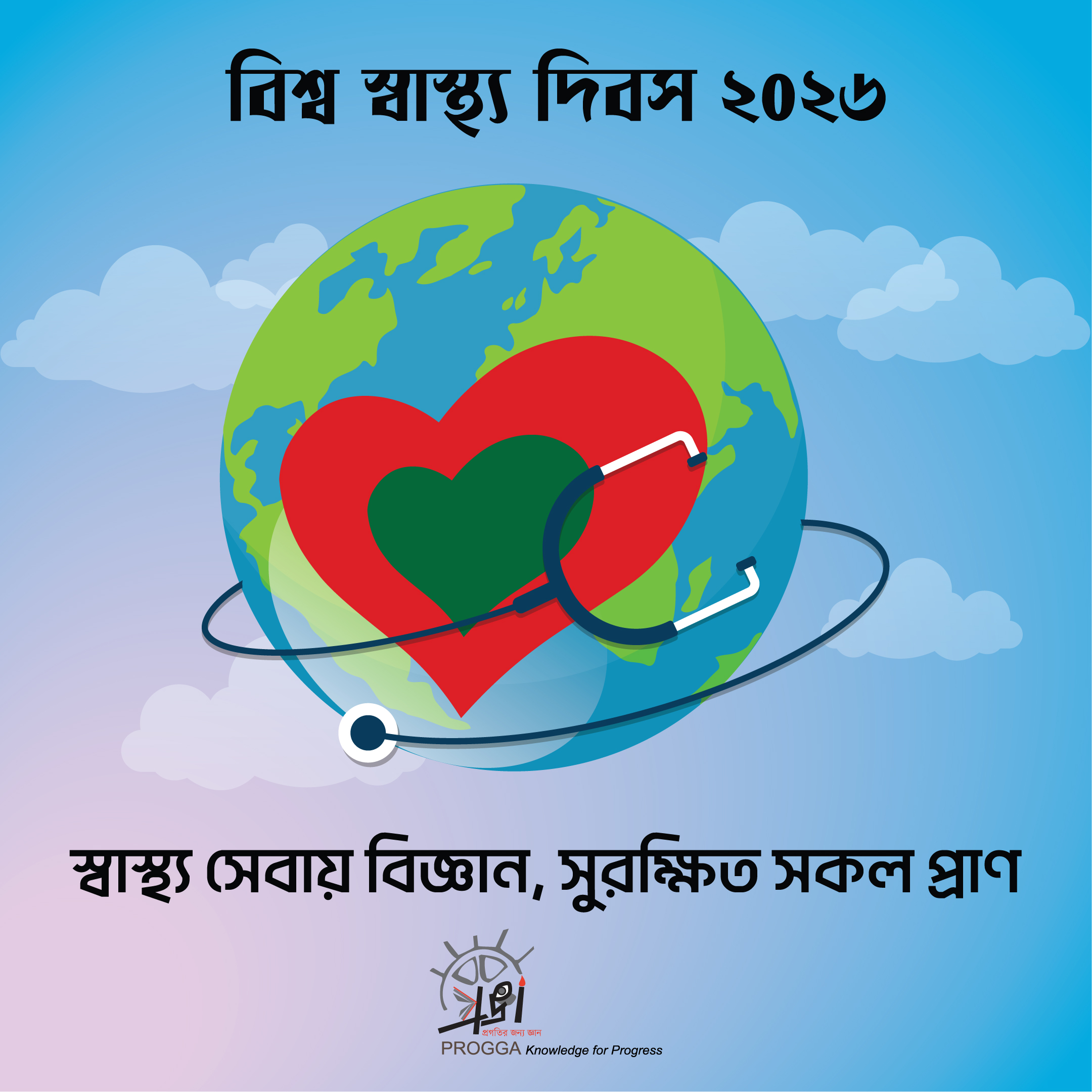
World Health Day 2026 is being observed today, 07 April, under the theme, “Science in Healthcare, Protecting All Lives.” Effective health planning and implementation rely on precise data regarding child population, age demographics, and immunization coverage. Without reliable data, many children remain outside routine immunization programs, increasing the risk of infectious diseases. Similarly, without accurate information on mortality rates and causes of death, it is difficult to take effective measures to address health challenges. In Bangladesh, more than half of the population still remains outside the registration system. To build an effective health system, it is therefore essential to introduce a health facility-based registration system across the country.
Two of the main pillars of the Civil Registration and Vital Statistics (CRVS) system are birth and death registration. A strong CRVS system provides the government with accurate and up-to-date data, enabling timely decision-making during pandemics, natural disasters, and other public health emergencies. Several countries in Asia-Pacific region have already introduced health facility-based registration systems and nearly achieved universal registration. In Bangladesh as well, especially, assigning the responsibility of birth registration to health facilities would ensure that most of the children are automatically registered at birth. At the same time, it would enable the development of an integrated digital database, which would play a vital role in improving health sector planning and service quality.
On the occasion of World Health Day 2026, ABM Zubair, Executive Director of research and advocacy organization PROGGA, said, “By making registration health facility-based, it is possible to easily develop a reliable health information system, which will play a critical role in building a strong and sustainable health system in the country.”