







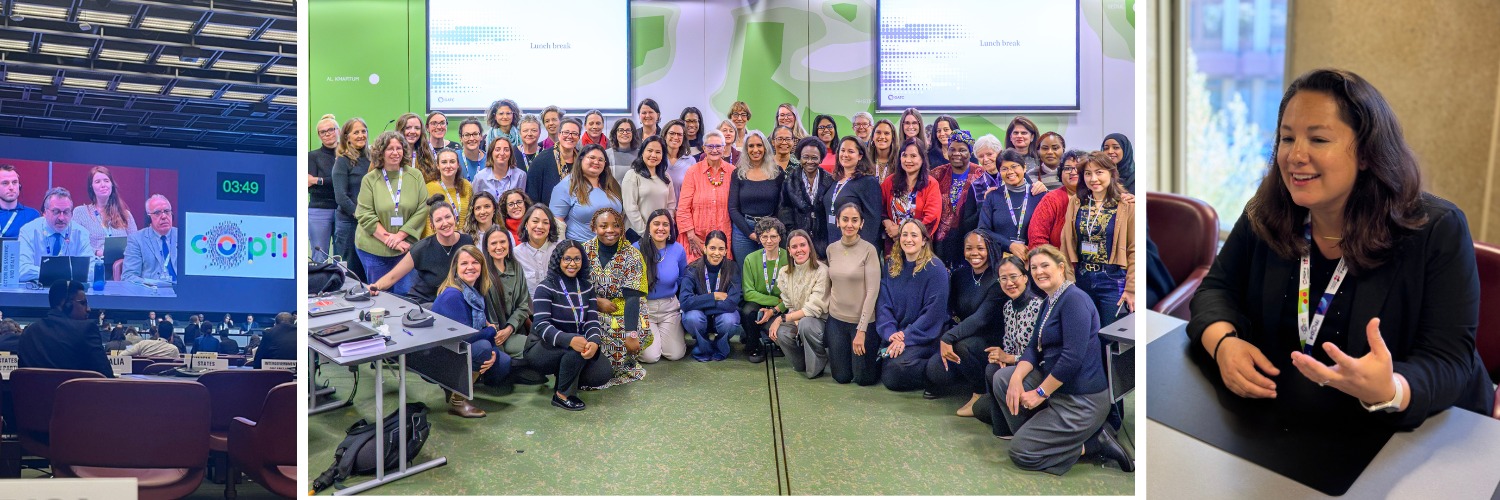
The global effort to end the tobacco epidemic entered a transformative new phase as the 11th Conference of the Parties (COP11) to the WHO Framework Convention on Tobacco Control (WHO FCTC) concluded in Geneva with decisions that experts say could dramatically reshape the future of public health. Held from 17 to 22 November, the gathering brought together government delegations and civil society organizations committed to curbing a crisis that continues to kill over eight million people each year. Among the most influential voices at the negotiation was Action on Smoking and Health (ASH), the long-standing US-based advocacy group that has played a critical role in advancing the global tobacco-free movement.
From the opening day, it became clear that COP11 would not be just another routine policy meeting. Negotiators moved beyond traditional tobacco control strategies to embrace forward-looking measures aimed at eventually phasing out tobacco altogether. This shift towards a ‘tobacco endgame’ approach- an idea once considered aspirational- has now gained official recognition in the FCTC framework. The decision adopted in Geneva signals not only an intention to reduce smoking prevalence, but a mounting global ambition to dismantle the tobacco supply chain, shrink the industry’s influence and ultimately eliminate tobacco-related deaths.
ASH played a key role in shaping several of the week’s key outcomes. Its delegation, comprising legal, environmental and public health experts, worked to raise three major themes: the adoption of future-oriented measures under Article 2.1; the strengthening of environmental safeguard relating to tobacco and nicotine waste under Article 18; and an unprecedented focus on legal answerability for the tobacco industry under Article 19. Each of these areas marks a critical step forward in ensuring that FCTC member states have the tools they need to confront an industry whose business model depends on addiction, misinformation, and environmental destruction.
In remarks following the negotiation, ASH Executive Director Laurent Huber described the outcomes of COP11 as a ‘significant step toward ending the tobacco epidemic,’ emphasising that the real impact of these decisions will depend on how effectively they are applied at national and local levels. Huber noted that COP11 provided countries with updated guidance and new standards that can help bridge the gap between policy and practice- a necessary requirement for saving lives and reducing the long-term burden of tobacco-related disease.
The ASH delegation’s influence was strengthened by an alliance of internationally respected experts, including Micah Berman, Denis Choinière, Marita Hefler, Kurt Ribisl and Luciano Ruggia. Several of these specialists highlighted ASH’s unique combination of grassroots insight, legal expertise, policy advocacy and international coordination as a model for effective global health engagement. Their collaboration contributes meaningfully to the deliberation on endgame strategies, particularly the expert report on forward-looking measures submitted to the Parties. This report offers countries a clearer strategic roadmap for pursuing long-term, sustainable progress toward a tobacco-free world.
The renewed emphasis on industry liability emerged as one of the most consequential developments of the conference. For years, Article 19- intended to provide legal avenues for holding tobacco companies responsible- remained underused, with many management lacking either technical capacity or political confidence to pursue litigation. COP11 shifted this dynamic by urging countries to use civil, criminal, administrative, environmental and human rights laws to hold the industry accountable for its role in causing many preventable deaths, polluting ecosystems and misleading the public. Public health advocates say that this could become one of the most powerful tools in the global fight against tobacco.
The choice of Geneva as the venue offered a striking contrast between global progress and local reality. Switzerland, despite being a signatory to the FCTC, has still not ratified the treaty. At the same time, it hosts the headquarters of major multinational tobacco corporations that benefit from favorable tax policies and have aggressively marketed so-called ‘harm reduction’ products. Many experts, including Ruggia, noted that the presence of strong civil society organisations such as ASH was essential to countering the influence of these powerful industries right in their own backyard.
COP11 also brought renewed attention to the financial challenges facing low- and middle-income countries, many of which struggle to secure sustained funding for tobacco control measures such as tax implementation, enforcement, surveillance and public education. Delegates worked to identify mechanisms for long-term financing, emphasising that without satisfactory resources, even the strongest policies risk falling short of their potential. Ensuring equitable global progress will depend heavily on supporting the countries that bear the greatest burden of tobacco-related harm.
Two decades after the FCTC came into force; the achievement of its COP meetings is undeniable. Smoke-free public spaces, bans on advertising and promotion, plain packaging, and strict conflict-of-interest safeguards have reshaped the global landscape. Yet COP11 reflected a growing recognition that incremental change is not enough. The conference sharpened the world’s focus on achieving a tobacco-free future- a future where the tobacco industry no longer determines global health outcomes.
ASH reiterated its commitment to helping countries implement the decisions adopted in Geneva. Having long advocated for a world with zero tobacco-related deaths, the organisation sees COP11 as a turning point that brings this vision significantly closer to reality. As global momentum builds behind the tobacco endgame, COP11 will likely be remembered as a historic moment when the world moved beyond managing the tobacco epidemic toward finally ending it.