ঢাকামঙ্গলবার , ২০ অক্টোবর ২০২৬

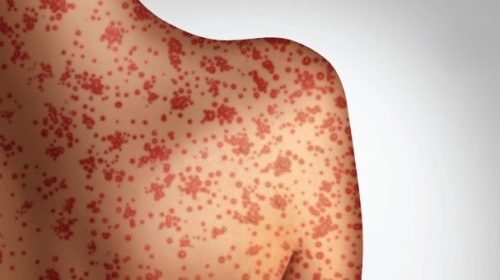
In recent times, measles cases are resurfacing in Bangladesh and misinformation continues to distort public understanding on vaccines, the urgency to defend science-based healthcare is now evident. Against this backdrop, to mark World Health Day 2026, today, 12th April 2026, ARK Foundation arranged a webinar titled “Standing with Science in the Age of Misinformation: Protecting Public Health,” bringing together leading voices to confront the growing threat of false narratives in health communication. The session drew attention to how misinformation is actively undermining vaccination efforts, disease prevention, public trust in healthcare, and how we can retain it.
The webinar featured a distinguished and influential panel, including Dr. Mahmuda Ali, Health Officer at Dhaka North City Corporation (DNCC); Professor Mahmudur Rahman, former Director of IEDCR; health expert Dr. Syed Mahfuzul Huq; prominent health economist and Executive Director of ARK Foundation, Professor Rumana Huque; and journalists Shishir Moral and Tawsia Tajmim. The session was moderated by Zunayed Al Azdi, Senior Research Manager at ARK Foundation.
Dr. Syed Mahfuzul Huq, drawing on his experience with the World Health Organization (WHO) in non-communicable diseases (NCDs), stated that various entities deliberately distort or manipulate scientific evidence for commercial gain and marketing purposes, posing serious risks to public health. Reflecting on field-level realities, Dr. Mahmuda Ali said, “After proper training and planning, when vaccination campaigns begin in real life, different challenges and rumours are always there. The government and city corporation are continuously working to raise awareness among religious and social groups to tackle this challenge.”
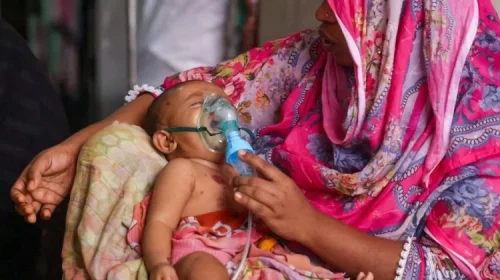
Professor Mahmudur Rahman highlighted the need to strengthen accountability across all sectors and adapt public health programmes in response to evolving community behaviour and practices. Journalist Shishir Moral pointed out that while mainstream media, through quality control, plays a role in curbing misinformation, social media often accelerates its spread, stressing the need for grassroots-level awareness to identify sources of false information. Tawsia Tajmim shared her firsthand experience of the ongoing measles outbreak in Bangladesh, underscoring the importance of timely and accurate data from the government and relevant authorities.
In the concluding remarks, Professor Rumana Huque called for building a collective social movement to counter misinformation with scientific evidence, stressing the need for coordinated efforts across sectors through sustained capacity development, training, and widespread awareness campaigns. Speakers also urged the strengthening of legislative frameworks to prevent misinformation from undermining public health efforts.